The claim
CLAIM #58:
Mormonism is a Masonic cult: Joseph Smith copied the temple rites from the lodge, so Mormons and Masons are one secret religion?
FALSE
ANSWER:
Freemasonry is not a religion, so it cannot be the secret religion behind anyone. And for two groups supposedly joined as one, they have spent a remarkable amount of time apart: Illinois Freemasons cut off the Mormon lodges in 1843–44, and Utah’s Grand Lodge formally barred Latter-day Saints from 1925 to 1984.
This claim is aimed at two groups at once. It is popular with some critics of the Church of Jesus Christ of Latter-day Saints, and it usually goes like this: the Mormon founder Joseph Smith was a Freemason, he borrowed parts of his temple ceremony from the lodge, and therefore Mormonism and Freemasonry are really the same occult religion in two costumes. One fact in that chain is true. The conclusion drawn from it is not.
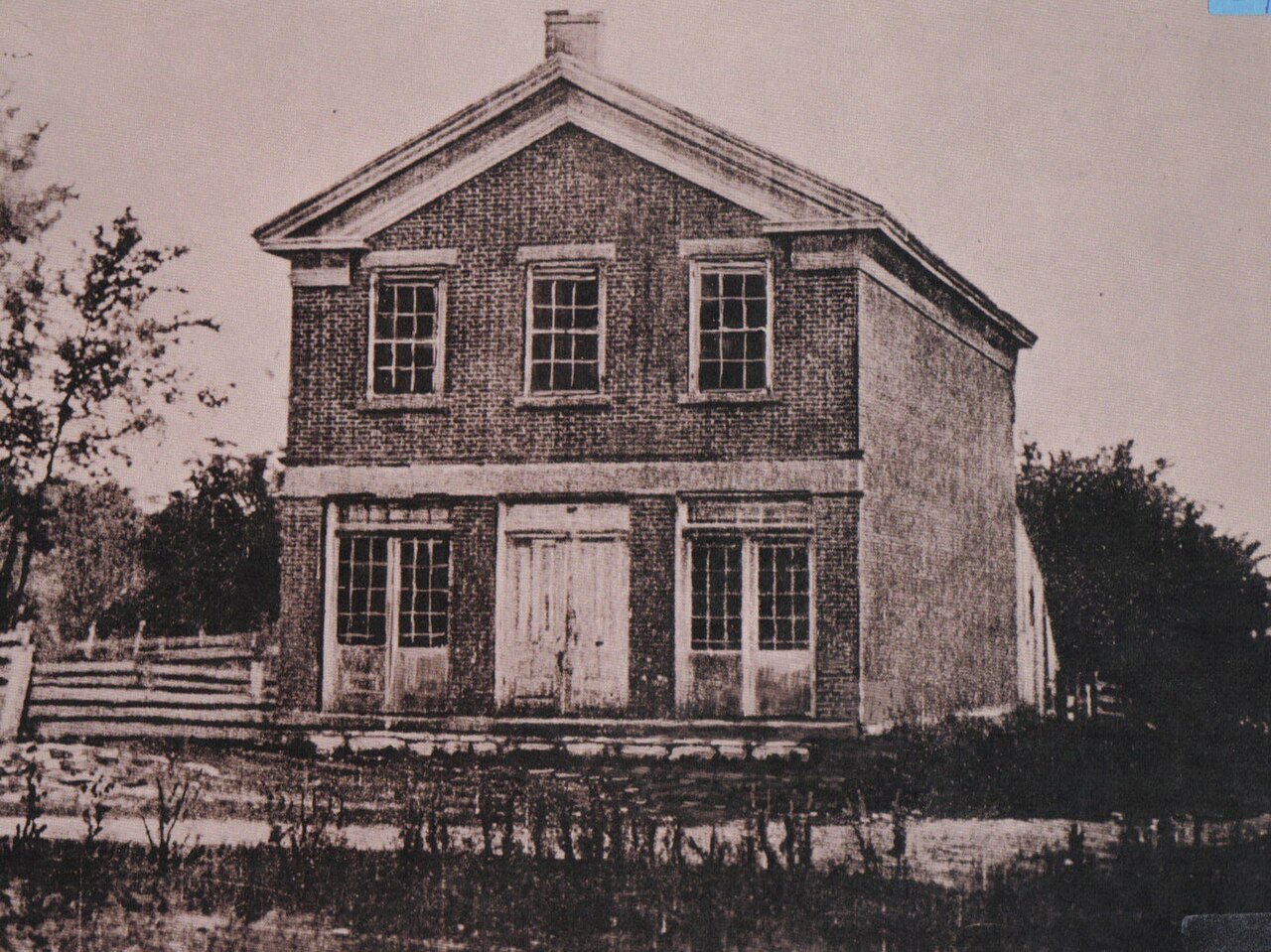
Was Joseph Smith a Freemason?
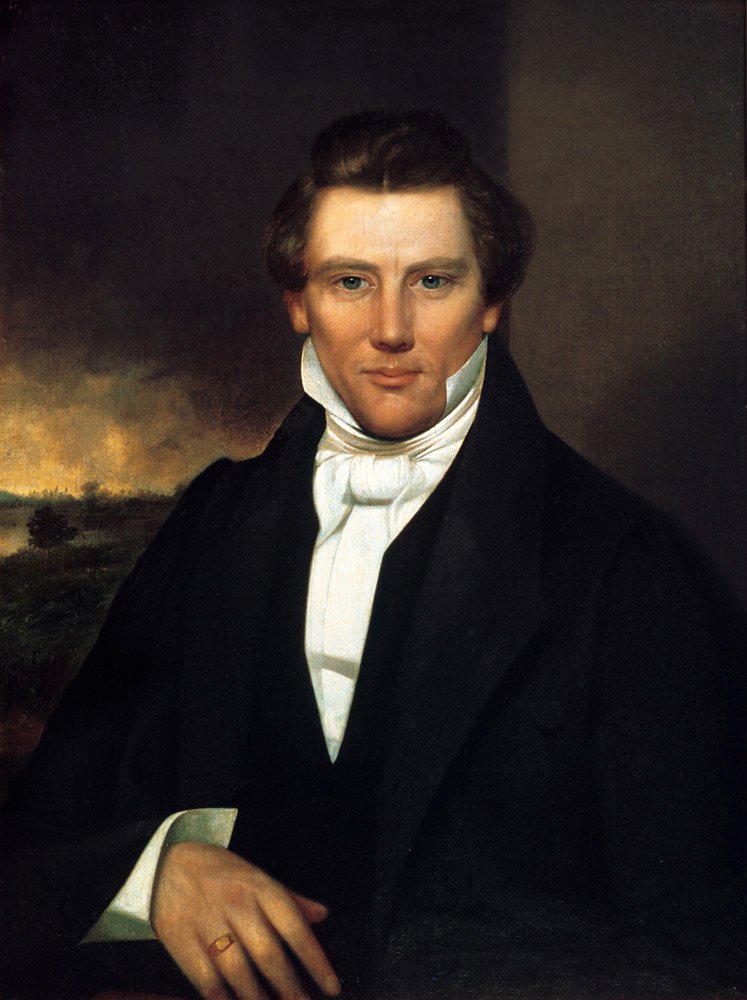
Yes. The Church’s own history says so plainly: “Joseph Smith joined the fraternity in March 1842 in Nauvoo, Illinois.” Several early Latter-day Saints, including his brother Hyrum and Heber C. Kimball, had belonged to Masonic lodges since the 1820s. On 15 March 1842 the Grand Master of Illinois, Abraham Jonas, opened the new Nauvoo Lodge in the room above Smith’s Red Brick Store, and Smith received the three degrees over two days. Many Latter-day Saints followed him, and the Nauvoo Lodge, in the Church’s words, “soon became the largest in the state”: between March and August 1842 alone, the revised edition of Mackey’s Encyclopedia of Freemasonry records, it initiated 286 candidates.
Smith introduced the temple ceremony known as the endowment a few weeks later, and the Church openly acknowledges that “There are some similarities between Masonic ceremonies and the endowment, but there are also stark differences in their content and intent.” We will not compare the two ceremonies in detail; both are private to their members. The question is whether any of this makes them one religion.
So are they the same thing?
No, and the Latter-day Saints’ own Church explains the difference better than the critics do. In its words, “Masonic ceremonies promote self-improvement, brotherhood, charity, and fidelity to truth for the purpose of making better men, who in turn make a better society.” In the temple, by contrast, “men and women covenant with God to obey His laws for the purpose of gaining exaltation through the Atonement of Jesus Christ.” The Church concludes that “the endowment did not simply imitate the rituals of Freemasonry”.
That matches what Freemasonry says about itself. It is not a religion: it has no doctrine of salvation, no sacraments and no theology, and it asks each member to follow his own faith (see Claim #32 and What is Freemasonry?). A church that borrows a form of ceremony, a symbol or a style of teaching from a fraternity does not turn that fraternity into a church.
What did Freemasonry itself do?
This is the part of the story the claim leaves out, and it is the part that settles the question, because it records what the fraternity did as a body. The Grand Lodge of Illinois grew alarmed at how fast the Nauvoo lodges were growing and how they admitted members. In October 1843 it withdrew the Nauvoo Lodge’s dispensation; Albert Mackey, writing in 1856, records that it did so “principally on the ground that she was guilty ‘of pushing the candidate through the second and third degrees, before he could possibly be skilled in the preceding degree.’” In October 1844, as the Church’s history puts it, “the Grand Lodge severed all ties with the Nauvoo Lodge and its members”. When the Latter-day Saints moved west to Utah, they did not set up new Masonic lodges.
In Utah, the Grand Lodge kept Latter-day Saints out, at first by an informal ban. In 1925 it resolved that a member of the Church “is not eligible to become a member of any Lodge F.& A.M. in this State and membership in such Church shall be sufficient grounds for expulsion”, and it did not repeal that resolution until 31 January 1984. A supposed “one secret religion” whose Masonic half spent more than a century refusing to admit its Mormon half would be a very strange arrangement indeed.
Conclusion: Joseph Smith was a Freemason from 1842, and the Church he founded openly acknowledges some similarities between Masonic ceremonies and its temple endowment, alongside what it calls “stark differences”. But Freemasonry is not a religion, the two organisations have completely different purposes, and the record of Freemasonry’s own actions shows separation, not union: the Grand Lodge of Illinois cut off the Mormon lodges in 1843–44, and the Grand Lodge of Utah barred Latter-day Saints until 1984. Mormonism is not a Masonic cult, and Freemasonry is not a secret Mormon religion.
Sources:
The Church of Jesus Christ of Latter-day Saints, Church History Topics, “Masonry”: https://www.churchofjesuschrist.org/study/history/topics/masonry
Albert G. Mackey, The Principles of Masonic Law (1856), section “Of the necessary Probation and due Proficiency of Candidates before Advancement”
Albert G. Mackey, An Encyclopedia of Freemasonry, revised edition by Robert I. Clegg, article “Mormonism and Masonry”
Grand Lodge of British Columbia and Yukon, “Conflict between Freemasonry and the Church of Latter-Day Saints Founders” (citing the Grand Lodge of Utah’s 1925 Proceedings and Gustin O. Gooding’s history published by the Grand Lodge of Utah): https://www.freemasonry.bcy.ca/history/lds/conflict.html
What is Freemasonry? (this site)