The claim
CLAIM #45:
Freemasons drink blood, or wine from a human skull, to become high-ranking Masons?
FALSE
ANSWER:
There is no blood. A man becomes a full Freemason, a Master Mason, in the three Craft degrees, and none of them involves drinking from a skull. The skull you may see in Masonic art is the same reminder of death you will find on old church gravestones and in paintings of the saints.
This claim turns up in “occult elite” videos and posts: to reach the top of Freemasonry, it says, a man must drink blood, or wine from a human skull, in a dark ceremony that binds him to the brotherhood. It sounds like something out of a thriller, and in one famous case that is exactly where it comes from.
Where did the skull of wine come from?
The best-known version comes from a novel. Dan Brown’s The Lost Symbol, published in September 2009, opens with a wine-filled skull and a dark Masonic temple in Washington, D.C. It is a gripping opening for a thriller, and it is fiction. When the book came out, National Geographic checked its Masonic “secrets” one by one and put it plainly: “Contrary to The Lost Symbol, you don’t have to drink wine from a skull to become a ranking Freemason.”
The accusation itself is much older than Freemasonry. When the medieval Knights Templar were put on trial in the fourteenth century, the Pope’s list of charges included a whole series about a human skull, “cranium humanum”, that the knights were accused of worshipping. As Albert Mackey’s Encyclopedia of Freemasonry records, articles forty-two to fifty-seven of the charges concerned the skull. The skull story has been recycled against secret societies ever since. Today it gets mixed up with Yale University’s “Skull and Bones” student society, which is not Masonic at all (see Claim #55).
Then why do Masons use skulls at all?
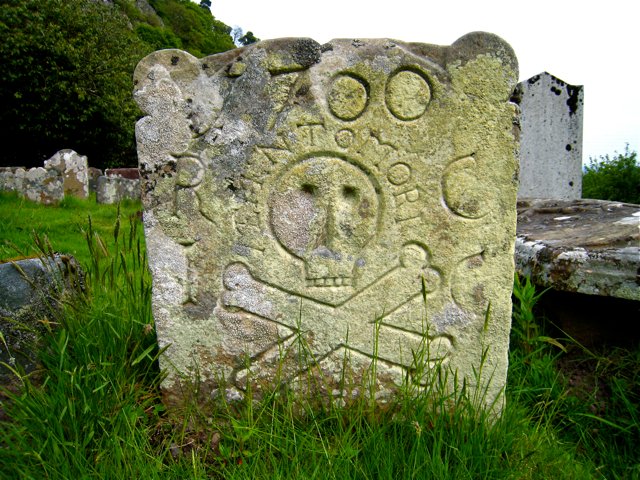
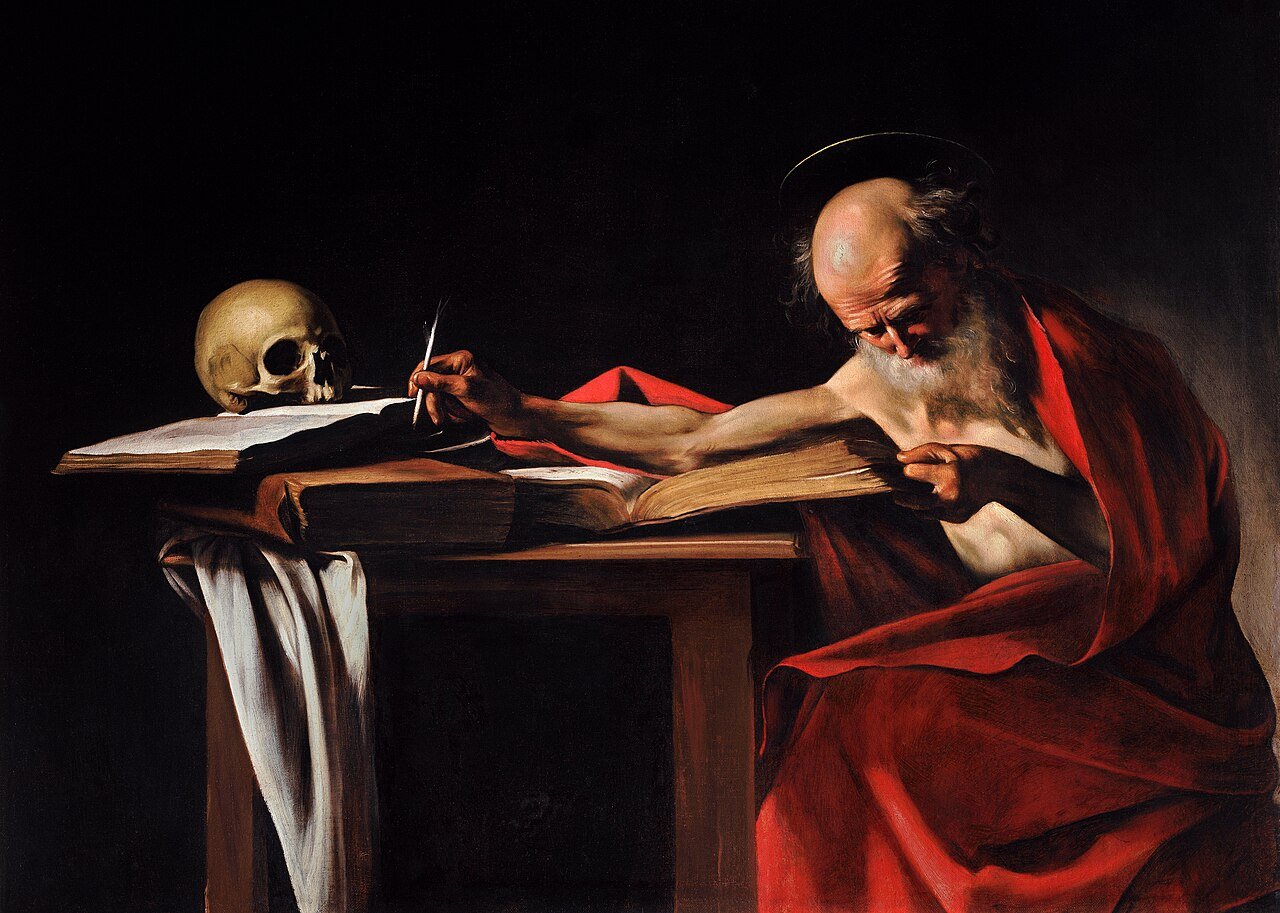
For the same reason that churches, painters and stonecarvers have used them for centuries: to remind the living that life is short. The Latin phrase is memento mori, “remember you must die”, as the Encyclopaedia Britannica translates it. Old churchyards are full of gravestones carved with a skull and crossed bones; painters gave Saint Jerome a skull on his desk; Dutch artists filled “vanitas” still lifes with skulls, hourglasses and candles; and Shakespeare gave Hamlet the skull of poor Yorick to hold. Nobody thinks a village churchyard is a temple of blood rites.
Freemasonry uses the symbol in exactly this sense. The nineteenth-century Masonic scholar Albert Mackey wrote that the skull “is not used in Masonry except in Masonic Templarism, where it is a symbol of mortality”, and that the skull and crossbones “are a symbol of mortality and death, and are so used by heralds in funeral achievements.” As we put it in our own questions and answers, skulls in Freemasonry stand for the inevitability of death and are a prompt to live a meaningful life while we can. Or, in the old Masonic quip: “Death smiles at everyone, Freemasons smile back.”
What about blood, and “high-ranking” Masons?
As for blood, there is nothing to discuss: no source of any kind, friendly or hostile, supports it. And there are no “ranking” Freemasons in the sense the claim imagines. The heart of Freemasonry is the three Craft degrees, ending with Master Mason; the further degrees of other Masonic orders are additional, not superior, even when they carry higher numbers, as we explain in What is Freemasonry? At the American peak in the late 1950s, National Geographic noted, almost one in ten eligible men was a Mason, about four million of them. That is a lot of skulls to go round.
Conclusion: Freemasons do not drink blood, and becoming a Freemason involves no cup made from a human skull. The most famous skull of wine is the opening scene of a 2009 novel, and the accusation itself goes back to the trials of the medieval Knights Templar. Where a skull appears in Masonic symbolism, it means what it means on a churchyard gravestone or in a painting of Saint Jerome: remember that life is short, and live it well.
Sources:
https://www.nationalgeographic.com/pages/article/the-lost-symbol-and-the-freemasons-8-myths-decoded
Albert G. Mackey, Encyclopedia of Freemasonry (1916 edition), p. 694, “Skull” and “Skull and Cross-bones”
https://web.archive.org/web/20261027044413/https://www.britannica.com/topic/memento-mori
What is Freemasonry? (this site)
https://collezionegalleriaborghese.it/en/opere/saint-jerome