The claim
CLAIM #46:
A Freemason in court just gives the secret handshake or the “widow’s son” signal, and the Masonic judge lets him off?
FALSE
ANSWER:
England and Wales made every new judge and magistrate declare Masonic membership for eleven years, and the government’s review found “no evidence of impropriety or malpractice”. And Freemasonry’s own rules say the law comes first: a Mason who helps a guilty brother escape it is breaking them.
The story goes like this. The courts are full of Freemasons. A Mason in the dock only has to flash a secret sign, slip a special handshake to his lawyer, or use the “widow’s son” phrase that these videos talk about, and the Masonic judge or magistrate will quietly let him walk. Clips of defendants and lawyers making “Masonic gestures” in court are shared as proof, and the idea is especially popular on forums for people who feel let down by the justice system. It is a story that has actually been tested, by a government, over more than a decade.
Has anyone actually checked?
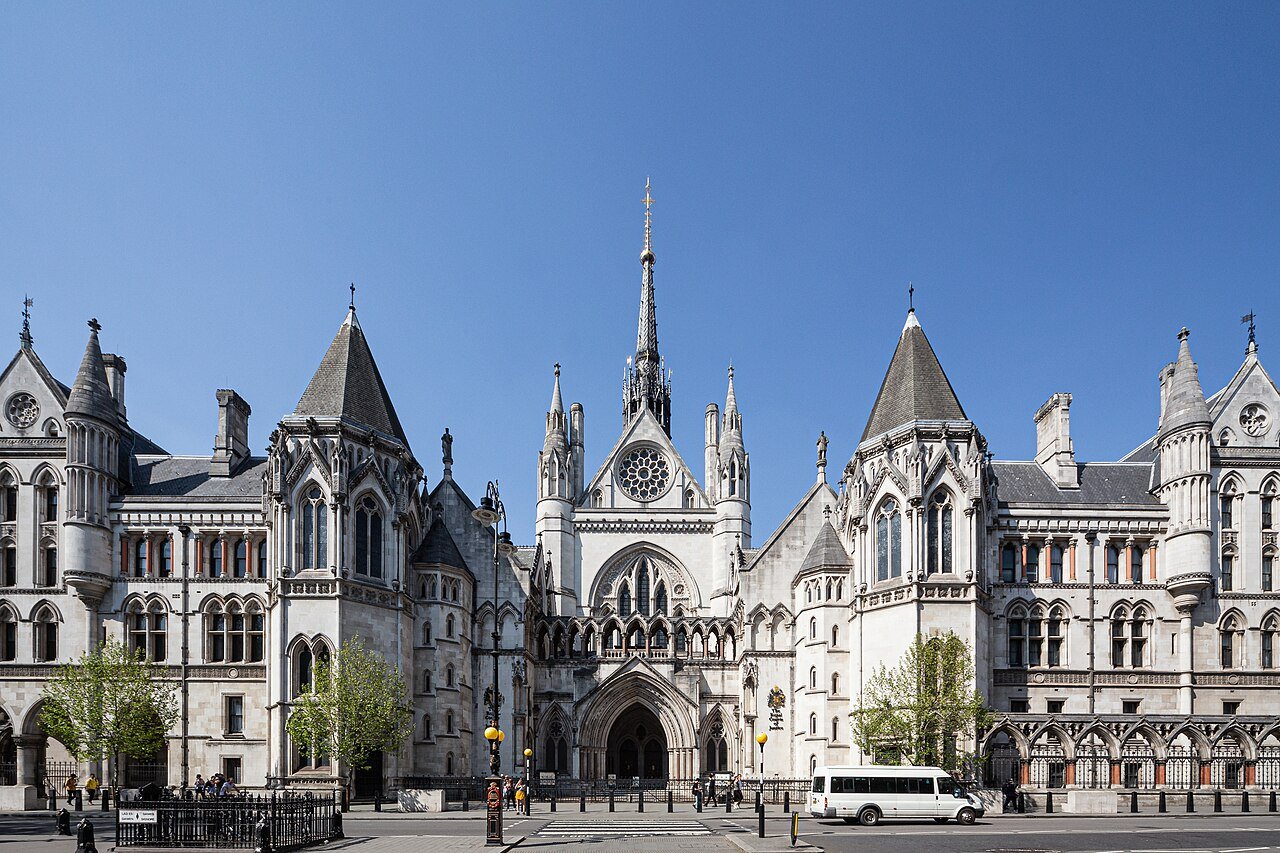
Yes, and thoroughly. In March 1997 the Home Affairs Committee of the UK House of Commons published a report, Freemasonry in the Police and the Judiciary. Following its recommendation, from 1998 everyone appointed as a judge or magistrate in England and Wales for the first time had to declare whether he or she was a Freemason. In 2009, after the United Grand Lodge of England pointed to rulings of the European Court of Human Rights, the government reviewed the policy, and on 5 November 2009 the Justice Secretary, Jack Straw, announced the result in a written statement to Parliament:
“The review of the policy operating since 1998 has shown no evidence of impropriety or malpractice within the judiciary as a result of a judge being a freemason and in my judgment, therefore, it would be disproportionate to continue the collection or retention of this information.”
Jack Straw, Justice Secretary, written ministerial statement, 5 November 2009 (reported by The Guardian)
The statement added that the 1997 report itself “made no finding of impropriety in the conduct of the judiciary arising from membership of individual members of the judiciary of the freemasons”. The Times summed it up the next day: “Would-be judges will no longer have to declare if they are Freemasons.” In other words, the rule ran for eleven years, and the government’s own review found nothing to show for it.
But aren’t some judges Masons?
Some are, and that has never been hidden. Ministry of Justice figures reported by The Guardian on the same day showed that of 3,808 judges in England and Wales, 205, or 5.4%, were Freemasons; of 29,702 magistrates, 1,900, or 6.4%, were. Put the other way round, about 95 out of every 100 judges were not Masons at all. A defendant hoping for a Masonic judge would be playing very poor odds, and, as the review showed, even a Masonic judge would not have helped him.
Judges are also bound by far more than any club. Every judge takes the judicial oath, there is a complaints procedure with its own Office for Judicial Complaints, and candidates are recommended by an independent Judicial Appointments Commission. Those were exactly the safeguards the government’s 2009 statement pointed to when it decided the declarations were no longer needed. A handshake does not get past any of them.
What do Freemasonry’s own rules say?
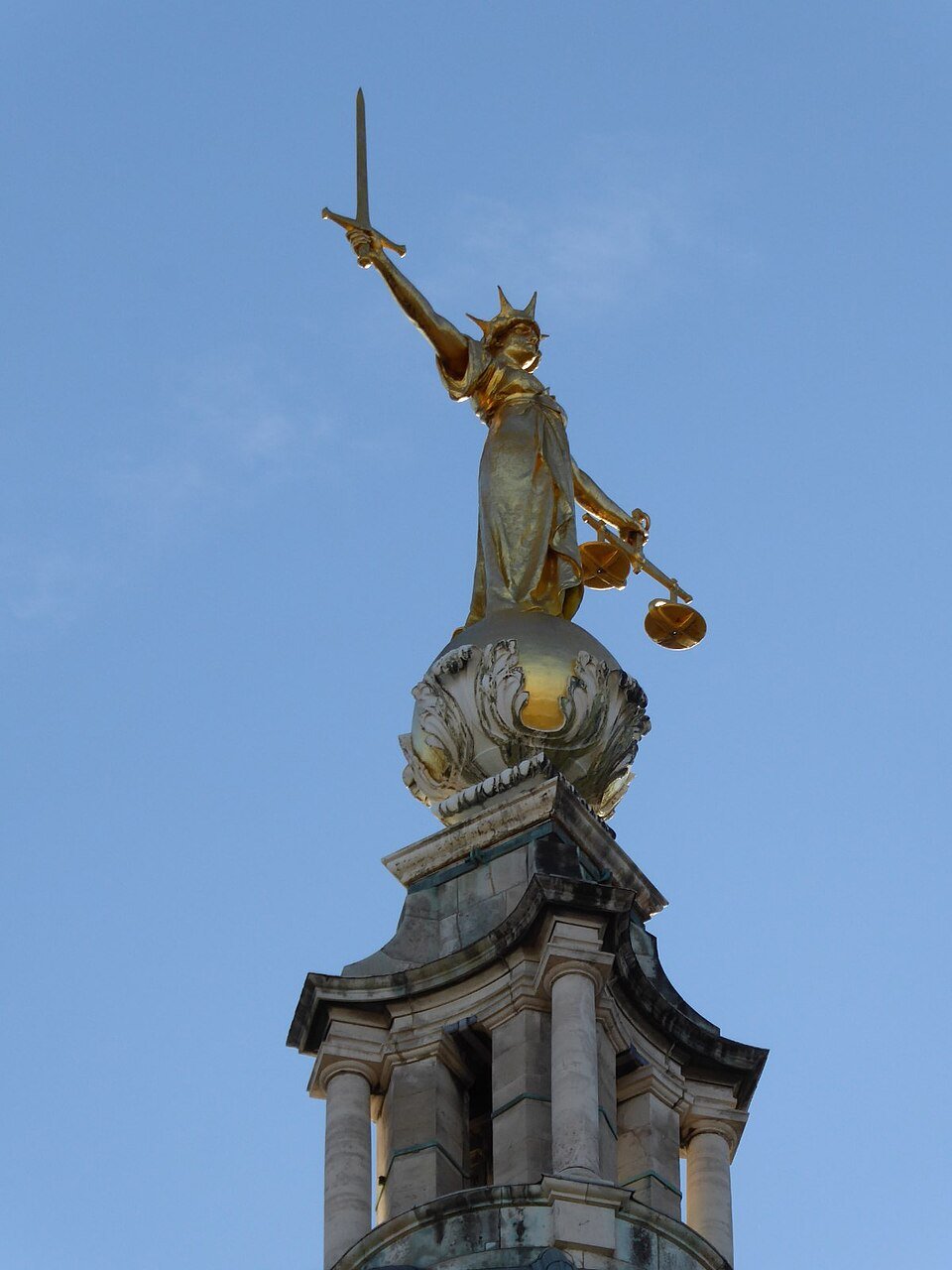
They say the opposite of what the claim assumes. The United Grand Lodge of England is blunt about it: a Freemason’s “duty as a citizen must always prevail over any obligation to other Freemasons, and any attempt to shield a Freemason who as [sic] acted dishonourably or unlawfully is contrary to this prime duty.” It also condemns any use of membership “to promote his own or anyone else’s business, professional or personal interests”. Freemasons promise to help one another in times of need only where that help does not conflict with their duties to the Great Architect of the Universe, the law, their family or their responsibilities as citizens. Trying to win favours through membership is treated as a misuse of it, and can lead to suspension or expulsion.
The Charges printed in the first Masonic Constitutions of 1723 say the same: every Mason is to be “a peaceable subject to the civil powers”, as we showed in Claim #07. A judge who let a fellow Mason off because of a sign in the dock would be betraying his judicial oath and his Masonic obligations at the same time. If any individual ever did such a thing, that would be his own wrongdoing, not something Freemasonry permits or condones.
And the secret signals?
Freemasonry does have private modes of recognition, and it says so openly: they are the traditional way a Mason proves his membership when he visits a lodge where nobody knows him. That is all they are for. We will not describe them here, and the people who claim to spot them in courtroom footage are guessing. A man scratching his ear, adjusting his tie or shaking hands with his barrister is doing exactly that. The habit of reading secret signals into ordinary gestures is looked at in Claim #22, and the similar claim about the police in Claim #11.
Conclusion: There is no secret handshake or phrase that gets a Freemason off in court. When England and Wales made every new judge and magistrate declare Masonic membership from 1998 to 2009, the review found “no evidence of impropriety or malpractice”, and only about one judge in twenty was a Mason anyway. Freemasonry’s own rules put the law and a member’s duty as a citizen above any obligation to another Mason, and shielding a brother who has broken the law is against those rules.
Sources:
Lord Chancellor (Jack Straw), Written Ministerial Statement “Judicial Declarations: Freemasonry”, Hansard (House of Lords), 5 November 2009, cols WS23–WS24: https://web.archive.org/web/20240721082723/https://publications.parliament.uk/pa/ld200809/ldhansrd/text/91105-wms0001.htm
Andrew Sparrow, “Jack Straw scraps rule saying judges must declare if they are masons”, The Guardian, 5 November 2009, reproduced at https://freemasonry.bcy.ca/public_perceptions/law/united_kingdom.html
The Times, 6 November 2009, via Inner Temple Library: https://www.innertemplelibrary.com/2009/11/potential-judges-will-not-have-to-declare-if-they-are-freemasons-the-times/
United Grand Lodge of England, “What is Freemasonry?” (leaflet): https://skirret.com/papers/freemasonry_ugle.html
Jessica L. Harland-Jacobs, Builders of Empire: Freemasons and British Imperialism, 1717–1927 (2007), on the 1723 Charge “a peaceable subject to the Civil Powers”
What is Freemasonry? (this site)