The claim
CLAIM #34:
Freemasons and the Illuminati secretly planned and launched the French Revolution?
FALSE
ANSWER:
Some revolutionaries were Freemasons, and so were some of their victims. No lodge planned the Revolution, and the Grand Master of French Freemasonry ended up on the guillotine.
The storming of the Bastille, the end of the monarchy, the Terror: according to this claim, none of it was what it seemed. It was not hunger, debt or a broken political system that brought down the French crown in 1789, but a plan hatched in Masonic lodges together with the Bavarian Illuminati. The idea is now more than two hundred years old, and we know exactly where it came from.
Where does the idea come from?
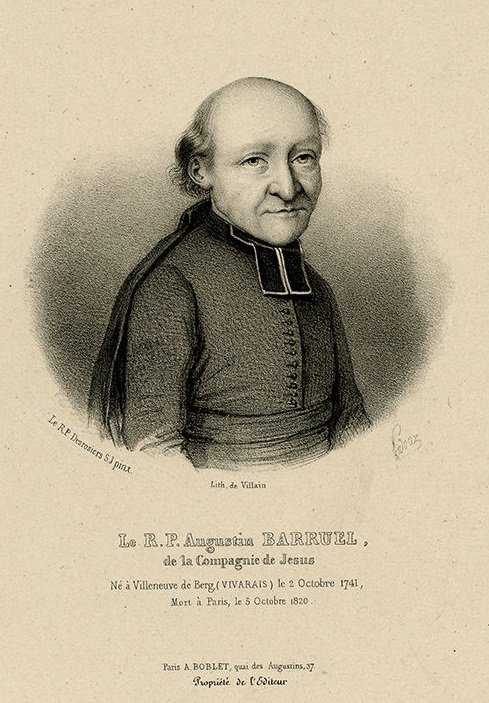
From two books written in exile and in fury. In 1797 a French priest, Abbé Augustin Barruel, published in London his Memoirs Illustrating the History of Jacobinism, which blamed the Revolution on a conspiracy of philosophers, Freemasons and Illuminati. A year later the Scottish professor John Robison published Proofs of a Conspiracy, making a similar case. Barruel’s book was a sensation: it went through four revised French editions by 1799 and was translated into six languages. Historians now regard Barruel as “the father of modern conspiracy theory”, and nearly every later “the Masons start revolutions” story descends from him. (The Illuminati themselves had been founded in 1776 and banned in 1785, four years before the Revolution; see Claim #16 and Claim #26.)
It was rejected almost at once, and not only by Masons. Jean Joseph Mounier, a member of the National Assembly who had been there in 1789, insisted that the Revolution broke out because the authorities failed to handle a series of crises. The counter-revolutionary Joseph de Maistre, no friend of the Revolution, called Barruel’s accusations “foolish” and “false”. And today, as one summary of the scholarship puts it, Barruel’s version “has been rejected by the majority of scholars, as the concept of a “master conspiracy” lies on the fringes of historical analysis.”
What did Robison actually admit?
Here is the twist. The very book that conspiracy writers still quote undermines the claim in its own pages. Robison believed that the Illuminati had meddled in the Revolution, but he was himself a Freemason, “initiated in a very splendid Lodge at Liege, of which the Prince Bishop, his Trefonciers, and the chief Noblesse of the State, were members.” When he listed revolutionaries who had been Masons, he added at once: “But this is nothing distinctive, because persons of all opinions were Masons.” He accepted that the Revolution had real causes: “There is no denying the insolence and oppression of the Crown and the Nobles, nor the misery and slavery of the people, nor that there were sufficient provocation and cause for a total change of measures and of principles.” And of the lodges in Britain, he wrote that the brethren “have never suspected that its principles were seditious or atheistical”, and that the lodges “have remained the scenes of innocent merriment, or meetings of Charity and Beneficence.” When the founding text of a conspiracy theory clears ordinary Freemasonry, the theory has a problem.
But weren’t many revolutionaries Masons?
Some were. Lafayette, Condorcet, Mirabeau, Danton, Hébert and the Duke of Orléans all belonged to lodges, and France had some 1,250 lodges by 1789. In some towns the early political clubs even took over the premises and many of the members of local lodges. But that is exactly Robison’s point: in eighteenth-century France, a great many educated men of every opinion were Masons, nobles and bishops included. Membership tells you where a man spent some of his evenings, not who gave him his orders. What individual members did, they did as citizens; there is no record of any lodge or Grand Lodge planning, ordering or approving the Revolution. Freemasonry’s own rules forbid political discussion in its meetings and tell every Mason never to be concerned in plots against the peace of the nation (see Claim #07).
To be complete: in the early twentieth century, the 1910 Catholic Encyclopedia quoted documents of the Grand Orient of France, written long after the event, in which French Freemasonry claimed credit for the Revolution. A boast made a century later is not a plan made at the time, and the New Catholic Encyclopedia of 1967 concluded that “Modern historians agree that the role of Masonry in the French Revolution has usually been exaggerated.”
What happened to the Masons in the Revolution?
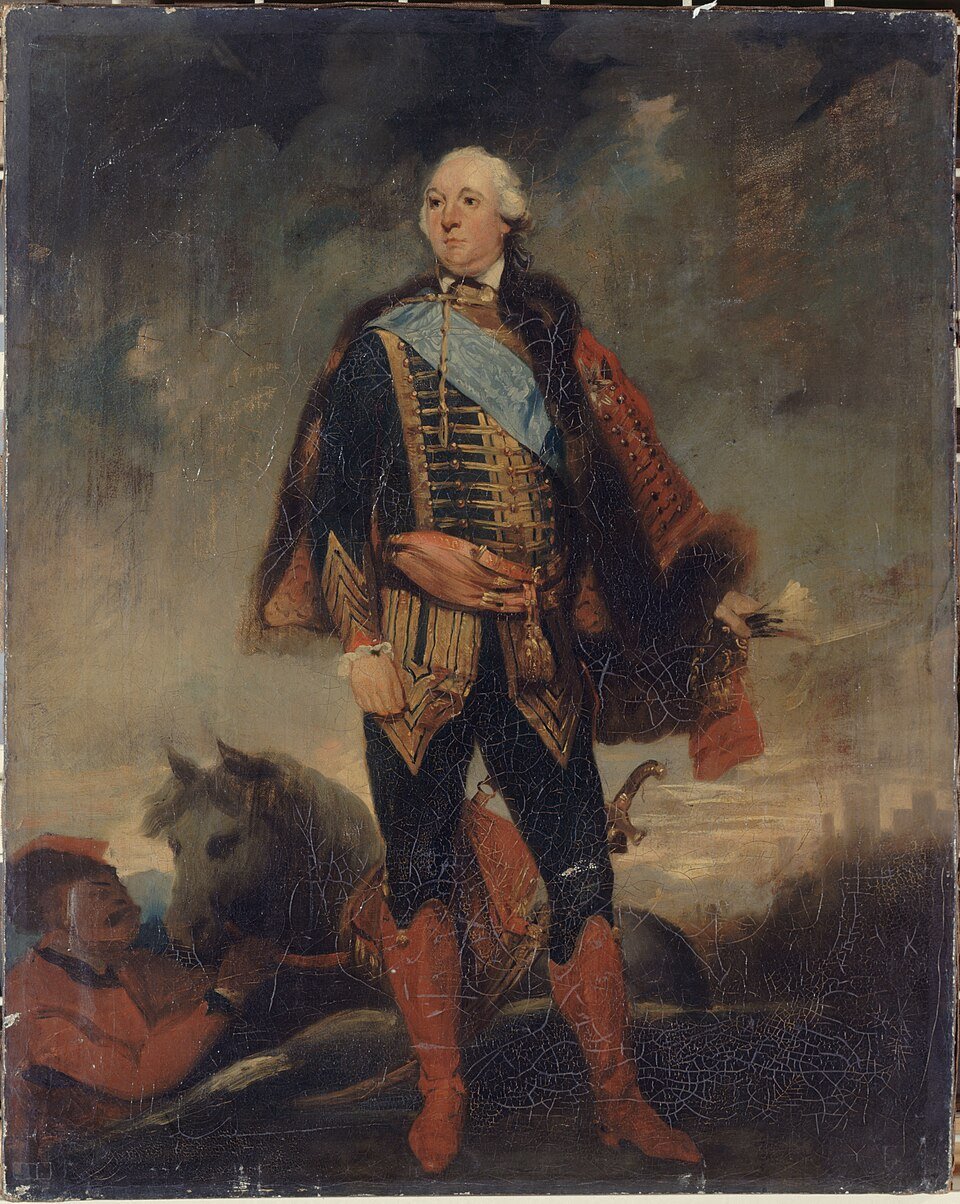
If the Revolution was a Masonic plan, it had a strange way of treating its planners. The Grand Master of French Freemasonry, Louis Philippe, Duke of Orléans, supported the Revolution and renamed himself Philippe Égalité. He distanced himself from Freemasonry in a letter of January 1793, and on 6 November 1793 he was tried by the Revolutionary Tribunal, sentenced to death and guillotined the same day. Masons were found among the revolutionaries, among royalists such as Joseph de Maistre, and on the scaffold. A conspiracy that beheads its own Grand Master is not much of a conspiracy.
Conclusion: Freemasonry did not plan or launch the French Revolution, and the Illuminati had been dissolved four years before it began. The idea comes from Barruel and Robison in 1797-98, was rejected by revolutionaries and royalists alike, and is rejected by most historians today. Robison himself admitted that “persons of all opinions were Masons” and that the Revolution had real causes. Many revolutionaries were Masons as individuals, and so were many of their opponents and victims, including the Grand Master of the Grand Orient, who died on the guillotine.
Sources:
https://en.wikipedia.org/wiki/Memoirs_Illustrating_the_History_of_Jacobinism
John Robison, Proofs of a Conspiracy against All the Religions and Governments of Europe, 4th ed. (1798)
https://en.wikipedia.org/wiki/Grand_Orient_de_France
https://en.wikipedia.org/wiki/Louis_Philippe_II,_Duke_of_Orl%C3%A9ans
New Catholic Encyclopedia (1967), vol. 6, p. 135